What temperature should your water heater be set to?
The short answer is 120°F for most homes. Here's where that number comes from, how fast hotter water burns, and how to check and change your setting.
Updated October 21, 2026 · 5 min read · By the Heater Doctor team
Short answer
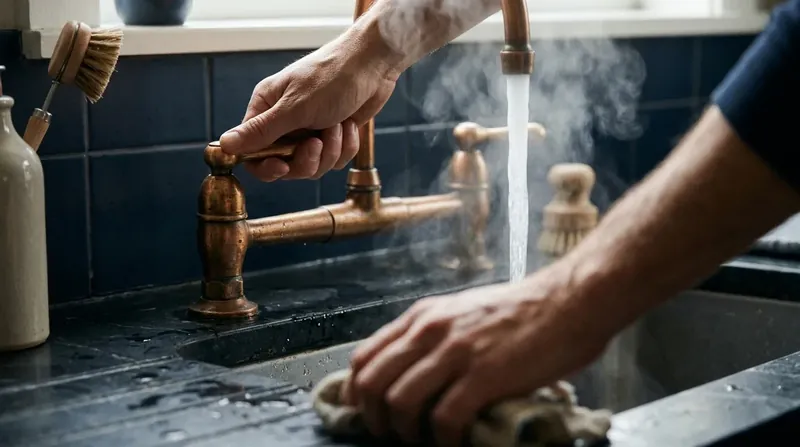
Set your water heater to 120°F. The U.S. Department of Energy calls it a temperature considered safe for most people, and the Consumer Product Safety Commission urges everyone to lower their heater to 120°F to prevent scalds. If you need hotter stored water, have a plumber add a thermostatic mixing valve so the water at the tap stays at 120°F.
Why 120°F
The DOE's Energy Saver Guide recommends 120°F as a temperature considered safe for most of the population. The CPSC urges all users to lower their water heaters to 120°F, noting it also saves energy and money. A. O. Smith says the right setting is typically no higher than 120°F. The DOE adds that turning a heater down from 140°F to 120°F reduces scald risk and slows buildup in pipes.
How fast hot water burns
The CPSC's scald sheet puts it plainly. Most adults will suffer third-degree burns from:
- 150°F water in about 2 seconds
- 140°F water in about 6 seconds
- 130°F water in about 30 seconds
- 120°F water in about 5 minutes
Most tap water scald injuries and deaths are among older adults and children under five, according to the CPSC.
What about bacteria?
Water that's too cool has its own risk. A. O. Smith warns that setting the temperature too low can allow bacteria to grow, and the DOE's Federal Energy Management Program notes that Legionella, the bacteria behind Legionnaires' disease, can grow in water heaters under certain conditions. Defense Department facilities are required to store hot water at 140°F or higher and then use a mixing valve so it leaves the tap at 120°F.
That's the same answer for a home that needs hotter stored water: a thermostatic mixing valve. A. O. Smith's troubleshooting guide says that if the tank is set above 120°F, a mixing valve should be installed. If anyone in your home has a weakened immune system, ask your doctor and a plumber what makes sense.
How to check your temperature
The CPSC suggests running hot water and holding a candy or meat thermometer under the tap, first thing in the morning or at least two hours after anyone used hot water. If it reads too high, adjust the thermostat by the maker's instructions and check again.
How to adjust it
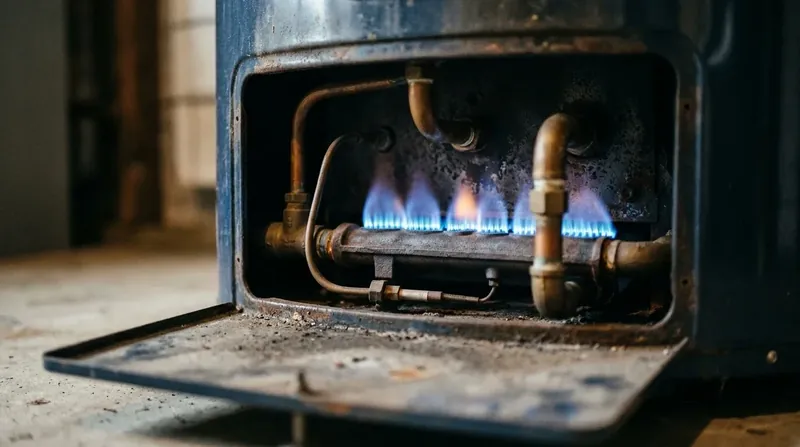
- Gas: turn the temperature dial on the gas control at the front of the tank. Many dials show words or marks rather than degrees, so use the thermometer test.
- Electric: A. O. Smith says to turn off the power first, then remove the access panel to reach the thermostat. Most electric tanks have two thermostats, upper and lower, and A. O. Smith's guide says to set both to 120°F. Replace the panel before turning the power back on.
- Tankless or digital controls: set the temperature on the display.
If your dishwasher has its own internal heater, the DOE says you can set the water heater to 120°F without hurting cleaning. Check its manual.
Rather have a plumber look at it?
Call and describe what's happening. We'll get a plumber out to diagnose and fix it.
Call for service(858) 465-8561Related water heater services
Common questions
Is 120 degrees hot enough for a water heater?
For most homes, yes. It's what the DOE and CPSC recommend. If showers run out of hot water at 120, the heater may be too small or failing rather than set too low.
Is 140 degrees too hot for a water heater?
At the tap, it can be dangerous: the CPSC says 140°F water can cause third-degree burns in about 6 seconds. If you store water at 140°F, add a mixing valve.
Why did my water get hotter after a repair?
A new thermostat or gas valve may have been set differently. Check with a thermometer and turn it back to 120°F.
Sources
- U.S. Department of Energy, Energy Saver Guide (2022)
- U.S. Consumer Product Safety Commission, Avoiding Tap Water Scalds
- U.S. DOE FEMP, Purchasing Energy-Efficient Residential Water Heaters
- U.S. Department of Energy, Energy saving tips for renters
- A. O. Smith, Water Heater Maintenance Guide
- A. O. Smith, Maintenance & Troubleshooting Guide
General information only. Gas, electrical and pressure work can be dangerous; when in doubt, call a licensed professional.
Still stuck? Get a plumber out.
Call now for water heater repair or replacement.