How to flush a water heater, and when to leave it to a pro
Flushing clears the sediment that settles at the bottom of a tank. It's one of the easiest ways to keep a water heater healthy, as long as you do it in the right order.
Updated October 21, 2026 · 6 min read · By the Heater Doctor team
Short answer
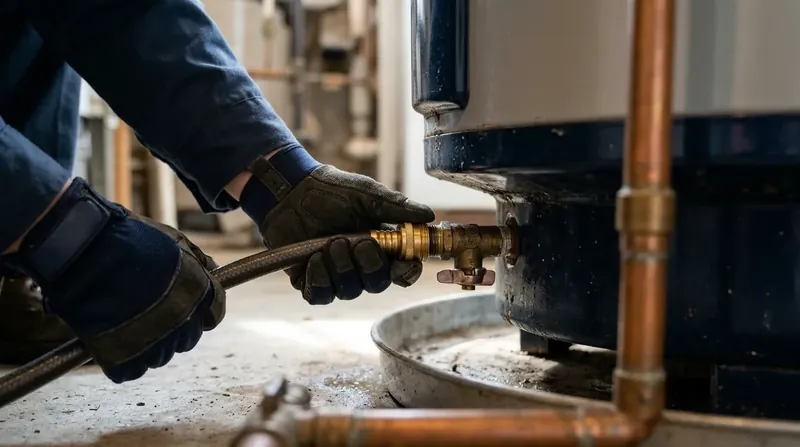
A. O. Smith says most tank water heaters should be flushed at least once a year, and more often in hard water. Turn off the gas or power, connect a hose to the drain valve, open it and run water through until it comes out clear, then close the valve and make sure the tank is completely full before turning the heat back on.
Why flushing matters
Minerals in water settle to the bottom of a tank as sediment. A. O. Smith says regular flushing helps prevent problems like leaks, strange noises and reduced efficiency. If your heater pops or rumbles, sediment is a likely reason (see water heater noises).
How often
A. O. Smith says most tank heaters need flushing at least once a year, and more often in hard water, since hard water carries more minerals. Kuna, Idaho, for example, rates its city water as hard at about 8 grains per gallon (see our Kuna page). Your owner's manual has the schedule for your model.
Tankless heaters don't get flushed this way. A. O. Smith says many need descaling with a cleaning solution and a descaling kit instead.
Step by step
- Turn off the heat. For gas, turn the control to off. For electric, switch off the breaker. A. O. Smith suggests turning the heater off a few hours ahead so the water cools, and wearing gloves and eye protection.
- Connect a garden hose to the drain valve at the bottom of the tank and run it to a floor drain, outside or a large bucket.
- Open a hot water faucet in the house so air can get in and the tank drains freely.
- Open the drain valve. Some need a flathead screwdriver. Let the water run, keeping cold water flowing into the tank, until no more sediment comes out.
- Close the drain valve when the water runs clear, and remove the hose.
- Refill completely. Leave a hot faucet open until water flows steadily. A. O. Smith says to run it at least 3 minutes to clear trapped air.
- Turn the heat back on. Switch the breaker on, or turn the gas on and relight by the label. A. O. Smith warns that turning a heater on without a full tank can seriously damage it.
Should you flush an old tank that's never been flushed?
Be careful. A tank that's gone 8 or 10 years without a flush may have a thick layer of sediment. A. O. Smith notes that sediment can clog the drain valve and stop you from draining the tank, and says to call a plumber or service technician if that happens. A clogged valve that won't close is how a 30-minute job turns into a service call.
If you're unsure, have a plumber do the first flush. They can also tell you whether the tank is worth maintaining or close to the end of its life.
Rather have a plumber look at it?
Call and describe what's happening. We'll get a plumber out to diagnose and fix it.
Call for service(858) 465-8561Local pages mentioned
Related water heater services
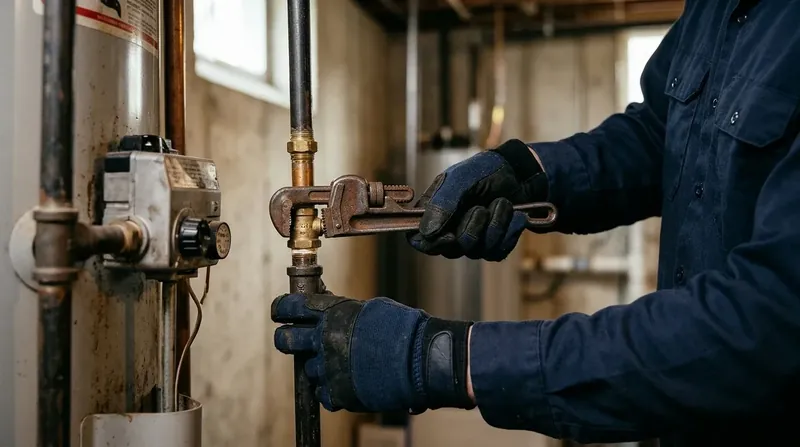
Water Heater Repair
Gas, electric and tankless repairs, from pilot lights to heating elements.
Learn more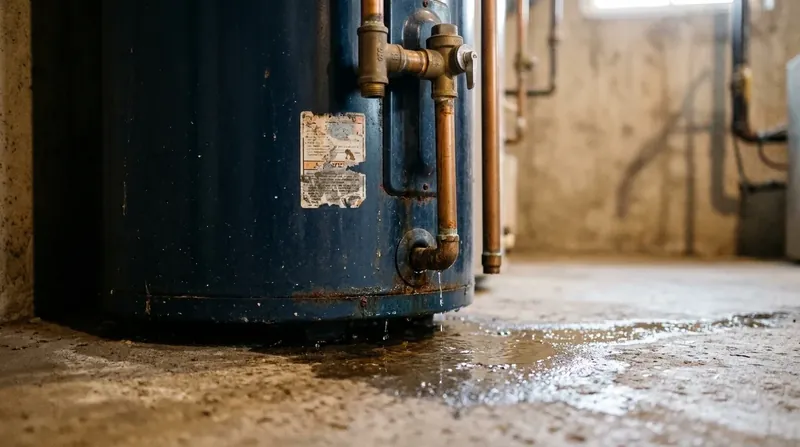
Leaking Water Heater
Water around the tank or a dripping relief valve. Act before it floods.
Learn more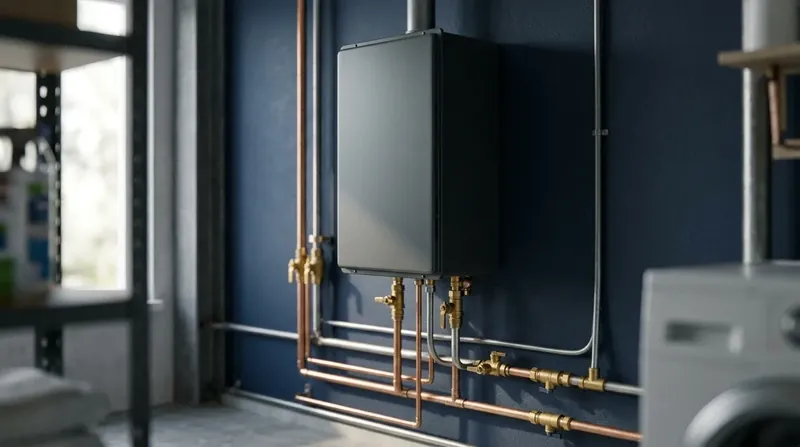
Tankless Water Heater Repair
Error codes, lukewarm water and scale buildup on tankless units.
Learn moreCommon questions
Can I flush my water heater myself?
Yes. A. O. Smith says it's a manageable job for beginners with the right tools, and also says hiring a plumber is usually quicker.
Will flushing fix a leaking water heater?
No. A leak from the tank itself can't be repaired, and the heater needs replacing. Flushing helps prevent problems, it doesn't undo them.
Do I need to turn off the cold water to flush?
To fully drain the tank, yes. To flush sediment, A. O. Smith's steps keep cold water running through the tank until the water comes out clear.
Sources
- A. O. Smith, How to Drain & Flush a Water Heater
- A. O. Smith, Water Heater Maintenance Guide
- City of Kuna, water reports
General information only. Gas, electrical and pressure work can be dangerous; when in doubt, call a licensed professional.
Still stuck? Get a plumber out.
Call now for water heater repair or replacement.